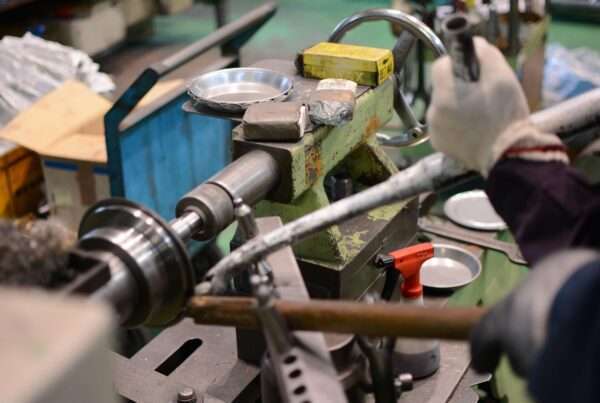
Introduction: Why You Need a Checklist for Pines Refurbished Benders
Investing in Pines refurbished benders can be a highly strategic move for fabrication shops, manufacturers, and production engineers. These rebuilt machines offer the strength and reliability of the original Pines Engineering craftsmanship—often at a fraction of the cost of a new unit. Whether you’re bending hydraulic tubes for aerospace or exhaust pipes for automotive applications, refurbished benders give you the opportunity to expand operations without breaking the bank.
However, not all refurbished tube benders are created equal. A shiny coat of paint or a new control panel doesn’t guarantee long-term performance. Without a proper inspection process, your shop could face issues like hydraulic failure, misaligned bends, electrical malfunctions, or outdated CNC controls. What might appear as a cost-saving purchase could quickly become a liability, leading to unplanned downtime, inconsistent bend quality, or costly retrofits.
That’s why we’ve created this detailed 15-point checklist for Pines refurbished benders. This guide walks you through every critical component you should evaluate—from hydraulic systems to control units—so you can confidently assess a machine’s readiness for production. Whether you’re buying from a dealer, an auction, or a certified rebuilder, this checklist will help you inspect like a seasoned tube bending technician and make a purchase that adds real value to your operation.
🧰 What Are Pines Refurbished Benders?
Pines refurbished benders are industrial-grade tube and pipe bending machines originally manufactured by Pines Engineering, which have been reconditioned and restored for continued use. These machines are highly sought after in fabrication industries due to their robust build, bending precision, and compatibility with a wide range of applications and tooling configurations.
Refurbishment typically includes inspection, replacement of worn mechanical components, electrical system rewiring, control upgrades (PLC or CNC), hydraulic testing, and recalibration — all aimed at bringing the machine back to production-ready standards. When properly rebuilt, Pines refurbished benders can deliver performance nearly equal to new units, often at 30–60% less cost.
🔧 Industries that Commonly Use Pines Refurbished Benders:
- Aerospace – For high-precision hydraulic line forming and aluminum alloy tube systems
- Automotive – In exhaust manufacturing, roll cages, fuel lines, and chassis production
- HVAC & Boiler Manufacturing – For large-radius, thin-wall bends in copper or steel tubing
- Construction & Structural Steel – Bending of handrails, guardrails, and structural pipe for architectural frameworks
Refurbished benders are especially valuable for small to mid-size shops that need reliable tube bending capacity without committing to the high capital cost of new CNC machinery.
🛠️ Where Do Refurbished Benders Come From?
There are three common sources of Pines refurbished benders:
- Factory-Certified Refurbishers – These units are rebuilt by Pines Engineering or authorized partners, often with warranties and updated CNC controls.
- Third-Party Rebuilders – Independent rebuilders who specialize in used industrial machinery, offering variable quality depending on expertise and parts availability.
- Auction & Surplus Sellers – Often the most affordable, but also riskiest, as they rarely offer service history or testing assurances.
Each type of refurbished bender presents different levels of reliability and risk, which is why a comprehensive inspection checklist is essential before making a purchasing decision.
✅ 1. Identify the Bender Model and Serial Number
The first and most fundamental step in evaluating Pines refurbished benders is confirming the exact model number and serial number. Each model in the Pines Engineering lineup is built for different production needs, from light-duty automotive work to heavy industrial fabrication.
🔍 Why the Model Matters
Pines tube benders come in various models — such as CL-208, CL-215, 030, and custom hydraulic series — each designed with specific bending capacities, tooling support, and control systems.
- The Pines CL-215 is known for its high-tonnage performance and mandrel bending capability.
- The CL-208 is a more compact model, popular in automotive exhaust and HVAC tube production.
- Older models like the 030 Series may require special attention to control system upgrades or retrofits.
Knowing the model allows you to:
- Assess the machine’s bending capability (e.g., tube diameter, wall thickness, bend radius)
- Check tooling compatibility with your current inventory
- Determine control upgrade potential (manual, PLC, or CNC)
📎 What the Serial Number Tells You
The serial number is your gateway to the machine’s life story. It helps:
- Validate the year of manufacture
- Look up historical service and maintenance records
- Track ownership or rebuild documentation
- Determine part compatibility and availability
If you’re buying from a reseller, always request a photo or physical inspection of the nameplate tag, which includes both the model and serial number. For more detailed insights, contact Pines Engineering with the serial number — they often retain archival records on rebuilds, service bulletins, and technical support based on that ID.
✅ 2. Review Total Operating Hours and Service Logs
When evaluating Pines refurbished benders, it’s crucial to go beyond surface appearance. The real story of a machine’s health lies in its operating hours and service history. These records give insight into how hard the bender has been worked, how well it’s been maintained, and how much useful life it has left.
⏱️ Check Run-Time Logs
Ask the seller for:
- Total hours of machine operation
- Hours on hydraulic system
- Usage breakdown by job type (if available)
High run-time doesn’t always mean poor condition — if the machine has been maintained well, it could still be a solid performer. However, a low-hour machine without maintenance records could be riskier than a higher-hour unit that’s been regularly serviced.
🛠️ Request Preventive Maintenance History
This includes:
- Scheduled fluid changes (hydraulic oil, gear oil)
- Seal and hose replacements
- Electrical panel inspections
- Software or control system updates
A well-documented maintenance history reflects a machine that was cared for — and that will likely perform well in your shop with minimal surprises.
📄 Ask for Rebuild or Refurbishment Documentation
If the bender is advertised as refurbished:
- Was the refurbishment done by Pines Engineering or a certified third party?
- Are there invoices or service records for the rebuild?
- Were any critical parts replaced — such as the hydraulic pump, bend arm drive, or control system?
This documentation helps you quantify the level of refurbishment — a machine that’s been completely overhauled with OEM parts and tested may justify a higher price than one with a few cosmetic updates.
✅ 3. Evaluate Tooling Compatibility
One of the most overlooked — yet mission-critical — steps when buying Pines refurbished benders is checking tooling compatibility. Your production efficiency depends not only on the bender itself but also on whether it supports your current tooling or can adapt to your future requirements.
🔧 Check for Die, Mandrel, and Clamp Compatibility
Start by confirming that the refurbished bender can:
- Accept your existing tube dies, mandrels, wiper dies, and clamp blocks
- Handle your typical outside diameter (OD) and centerline radius (CLR) requirements
- Support various wall thicknesses and bend angles
Even if the machine is structurally sound, it becomes a poor investment if you have to replace or custom-fabricate all new tooling from scratch.
🔁 Assess Retrofitting Potential for Complex Bending Jobs
For job shops that frequently switch between tube sizes or perform compound bends:
- Can the bender accommodate multi-stack tooling setups?
- Is the tooling arm adjustable for various bend radii?
- Are the tooling spindles and mounts in good condition?
Some refurbished models can be retrofitted with universal tooling adapters or quick-change systems, allowing greater flexibility in production.
🏭 Tooling Compatibility = Workflow Continuity
Choosing a machine that matches your tooling not only saves money but also:
- Reduces setup time
- Minimizes training curve for operators
- Avoids costly production delays
- Ensures immediate integration into your fabrication line
📌 Pro Tip: Bring a sample die or clamp to the machine inspection if possible. This real-world test helps you verify fitment and alignment.
🧠 Search Intent Mapping:
This section meets the intent behind searches like:
- “Will my tooling fit a refurbished Pines bender?”
- “Tube bender die compatibility guide”
- “Mandrel and wiper die setup for refurbished machines”
✅ 4. Inspect the Hydraulic System
When assessing Pines refurbished benders, the hydraulic system is one of the most critical components to evaluate. These machines rely heavily on hydraulic force to drive the bending arm, clamp dies, pressure dies, and carriage operations. Any weakness or inconsistency in the hydraulic system can lead to inaccurate bends, system failure, or costly downtime.
🛢️ What to Inspect in the Hydraulic System
Ask the seller or technician to perform a full hydraulic system check, including:
- Hoses and Fittings: Look for signs of wear, cracking, leaks, or dry rot.
- Cylinders and Rams: Check for smooth operation, pitting, or scoring on the shafts.
- Pump Pressure: Confirm the machine reaches its required PSI without hesitation or abnormal noise.
- Hydraulic Fluid: Inspect the fluid color and clarity. Milky, dark, or sludgy fluid indicates contamination or overdue maintenance.
- Reservoir Tank: Ensure it’s clean, sealed properly, and free from metal shavings or rust.
Even well-refurbished benders can hide internal hydraulic issues. Don’t rely on visual inspection alone—ask for a live test under load.
🧪 Test Bend Cycle Under Real Conditions
Have the operator run a full bend cycle using actual material or simulate production speed:
- Observe for jerky or slow movement during the bend
- Listen for whining, knocking, or cavitation noises
- Watch the bend arm pressure and retraction speed
Inconsistent force or slow actuation are red flags that could point to pump wear, internal leaks, or valve failures.
⚠️ Common Hydraulic Issues in Refurbished Benders
- Internal bypassing in aged cylinders
- Underpowered pumps after years of use
- Dirty or clogged filters restricting flow
- Incorrect fluid viscosity post-refurbishment
Refurbishment doesn’t always mean replacement. Some rebuilders clean and test hydraulics, but do not replace worn components unless they fail a test. Always clarify what was rebuilt vs. reused.
📌 Pro Tip: If the unit has been sitting idle for a while, ask if the system was flushed or reconditioned. Stagnant oil can degrade seals and cause startup failures.
🧠 Search Intent Mapping:
Covers queries like:
- “What to check in a tube bender’s hydraulic system”
- “Hydraulic inspection checklist for refurbished benders”
- “Signs of hydraulic failure in tube bending machines”
✅ 5. Examine the Electrical Cabinet
For any industrial machine—especially Pines refurbished benders—the electrical cabinet is the brain of the operation. While hydraulic power drives the physical motion, it’s the electrical system that controls the logic, safety, precision, and repeatability. A neglected or outdated electrical panel can severely limit the performance, safety, and upgrade potential of a refurbished tube bender.
⚡ What to Inspect in the Electrical Cabinet
During your inspection, open the electrical cabinet and carefully assess the following:
- Wiring Condition: Look for brittle, cracked, or spliced wires. Older wires may no longer meet modern safety standards.
- Relay & Contactor Health: Relays should not show signs of excessive arcing or discoloration. Contactors should engage cleanly without sticking.
- Labeling & Schematics: Are the wires clearly labeled? Is a wiring diagram present and up to date? These are essential for future maintenance.
- Terminal Blocks: Check for signs of corrosion, loose screws, or arcing marks.
Outdated or improperly maintained electrical components can create fire hazards, cause control failure, or make troubleshooting nearly impossible.
🧠 Check for Safety Circuits and Compliance
A modern refurbished bender should include or support:
- E-stop buttons (with redundancy)
- Interlock circuits for safety gates or covers
- Circuit breakers and properly rated fuses
- Lockout/Tagout (LOTO) integration
Ask if the machine complies with current OSHA/ANSI/CE electrical safety standards — especially if you plan to use it in a regulated production facility.
🖥️ Control Integration and Expandability
The electrical cabinet also determines how easily the machine can be:
- Retrofitted with modern PLC or CNC controls
- Integrated with automation or robotic loaders
- Connected to remote monitoring or diagnostics systems
A clean, modern electrical cabinet with labeled terminals, upgraded contactors, and clear schematics is a strong sign of a well-refurbished unit. In contrast, a cabinet with outdated components or DIY modifications is a red flag.
📌 Pro Tip: Bring a licensed electrician or controls engineer with you during inspection — especially for Pines benders with complex control interfaces or unknown refurbishers.
✅ 6. Confirm Control System Status (CNC or PLC)
In modern tube fabrication, the control system is just as important as the mechanical structure. When buying Pines refurbished benders, confirming the type, condition, and upgradeability of the control system—whether it’s manual, PLC-based, or full CNC—is essential for productivity, precision, and future scalability.
🖥️ Identify the Type of Control System Installed
Pines tube benders come with different generations of control systems:
- Manual Controls – Found in older models, often with toggle switches and mechanical counters. Limited to basic, single-radius bends.
- PLC (Programmable Logic Controller) – Common in many refurbished units. Offers programmable logic but lacks real-time motion control.
- CNC (Computer Numerical Control) – Full digital interface, programmable bend sequences, and advanced features like material compensation, anti-springback, and automatic tooling setup.
If the machine features a CNC system like BendPro G2, Pines Vector, or Siemens-based controls, it significantly increases the machine’s value and usability for complex jobs.
🔍 Inspect the Interface and Test Its Functionality
Ask the seller to demo:
- Control screen boot-up and responsiveness
- Ability to save, recall, and edit bend programs
- Any error codes or calibration issues
- Input lag, joystick/switch operation, or touchscreen integrity
Also, confirm:
- The system language and software version
- Whether it supports USB, Ethernet, or serial ports for backup
- Availability of manuals or user guides
🔄 Is It Retrofit-Ready or Already Upgraded?
If the control system is outdated, ask:
- Can it be upgraded to a modern CNC unit?
- What would a retrofit cost, and are OEM parts still available?
- Will the retrofit affect compatibility with existing tooling or hydraulics?
Many buyers find great value in older Pines refurbished benders that have been retrofitted with modern controls—giving them current tech without the new-machine price tag.
📌 Pro Tip: Ask for screenshots of the system in use or a remote demo over video. It helps verify that the control system is functional and not just “installed but inactive.”
✅ 7. Inspect the Bend Arm and Gearbox Assembly
The bend arm is the core mechanical component of all Pines refurbished benders, responsible for rotating the tube around the die to achieve precise bend angles. Paired with the gearbox assembly, it delivers the torque and motion required for consistent, repeatable performance. Any mechanical slop, wear, or misalignment in these systems can lead to bend deformation, inconsistent CLR (centerline radius), or even machine damage under load.
🧰 What to Look for in the Bend Arm
Carefully inspect the bend arm for:
- Visible cracks or weld repairs
- Excessive backlash or wobble during manual movement
- Bend die mount condition — it should sit snugly with no rotational play
- Smooth operation when the arm rotates under hydraulic or servo actuation
You want a bend arm that moves freely but firmly, with no mechanical hesitation or visible flex. Over time, poorly maintained bend arms may develop pin wear, deformation around die lugs, or even warped mounting plates.
⚙️ Assess the Gearbox for Smooth Power Transfer
The gearbox translates hydraulic or electric motor input into controlled rotation of the bend arm. Make sure to:
- Check for unusual noises during operation — whining, clunking, or gear skipping are red flags
- Look for signs of oil leakage or degraded seals
- Confirm the gearbox is properly lubricated
- Verify gear ratio is appropriate for the model and material you’re bending
Ask if the gearbox was rebuilt, replaced, or serviced during refurbishment. Many older benders may retain original gear systems that need immediate maintenance or overhaul if wear is detected.
🔧 Test Bend Arm Calibration and Positioning
If the machine has CNC or digital angle input:
- Run a full bend cycle and check for repeatable accuracy
- Use a protractor or laser measuring tool to confirm bend angles match programmed values
- Inspect the end-stop mechanism, if present, for wear or misalignment
Even if the hydraulics and controls are perfect, a worn or misaligned bend arm can create defects like:
- Over-bending or under-bending
- Flat spots in tight radius bends
- Tool mis-seating or gouging
📌 Pro Tip: Have the seller demonstrate a bend on material you regularly work with (e.g., 1.5″ OD stainless, or mild steel 2″ x 0.083″). This will reveal how the bend arm responds under real-world load.
✅ 8. Check Carriage and Mandrel Operation
In precision tube bending—especially with Pines refurbished benders—the carriage and mandrel system play a critical role in maintaining tube shape, preventing wrinkles, and achieving tight-radius bends without deformation. Even the best control system and hydraulic setup can’t compensate for mechanical issues in these two areas.
🚚 Inspect the Carriage Assembly
The carriage moves the tube forward to the correct position before each bend. It may be powered by:
- Hydraulic cylinders
- Servo motors
- Lead screws or chain drive (depending on model and retrofit)
Check for:
- Smooth linear motion along the track
- Accurate positioning based on input values
- No side-to-side slop or drift, especially under load
- Clean, rust-free rails with proper lubrication
- Clamping system condition, including cylinder seals and gripping surfaces
Misalignment or hesitation in carriage motion will throw off bend start points, affecting angle and centerline radius (CLR) accuracy.
🧱 Evaluate the Mandrel Rod and Supports
The mandrel supports the inner wall of the tube during bending, reducing collapse and wrinkling. For precision applications (aerospace, stainless, thin-wall), the mandrel system must operate flawlessly.
Inspect the following:
- Mandrel rod straightness — bent or bowed rods cause improper support
- Rod extension mechanism — test the full in/out stroke smoothly
- Wiper die and follower die condition
- Clamp and pressure die synchronization with mandrel timing
- Alignment with bend die centerline to ensure concentric bends
If the machine features programmable mandrel retraction (common in CNC benders), verify the software settings are responsive and recalibration is possible.
🔧 Common Issues in Refurbished Units
In Pines refurbished benders, common carriage and mandrel issues include:
- Sticking or lagging in carriage motion
- Excess backlash or wear on the mandrel rod assembly
- Improper timing between pressure die and mandrel support
- Bent guide rails or worn bushings from previous overuse
Ask the seller:
- Was the carriage system rebuilt or tested under load?
- Was the mandrel assembly aligned and pressure-tested?
- Can they demonstrate a thin-wall bend on a real workpiece?
📌 Pro Tip: Use a sample job with a tight radius and thin wall (e.g., 1.25” OD x 0.049”) to test how well the mandrel prevents ovality and wrinkling during live bending.
✅ 9. Test Lubrication and Cooling Systems
An often underestimated part of evaluating Pines refurbished benders is inspecting their lubrication and cooling systems. These systems don’t directly move metal, but they protect your machine’s moving parts, extend service life, and ensure consistent bending quality—especially under continuous-duty cycles.
🛢️ Lubrication System: Preventing Wear and Downtime
A well-maintained lubrication system ensures that critical moving components—like the bend arm bearings, mandrel shaft, gearbox, and carriage rails—operate smoothly with minimal friction.
Inspect the following:
- Automatic Lubrication System (if equipped):
– Does it cycle properly?
– Are lubrication lines clear and flowing to all contact points?
– Is the lubricant reservoir clean and topped off? - Manual Grease Points:
– Are all zerks accessible and labeled?
– Is there evidence of regular greasing or dry metal-on-metal contact?
Ask the seller:
- What type of lubricant has been used (brand and viscosity)?
- How often was the machine serviced or flushed during refurbishment?
Neglecting lubrication leads to premature wear, overheating, and failure—even on a machine that otherwise appears refurbished.
❄️ Cooling System: Maintaining Thermal Stability
Cooling systems are especially important on hydraulic-driven or CNC-controlled Pines benders that operate under heavy loads or long shifts.
Check for:
- Hydraulic Oil Coolers: Ensure fans operate, radiator fins are clean, and coolant flow is consistent.
- Gearbox Cooling (if applicable): Some high-torque units include fluid-cooled housings—check seals and temperature under operation.
- Control Panel Cooling: Older CNC systems may overheat if fans or filters are clogged or failing.
Run the machine under bending load and feel for:
- Excess heat buildup around hydraulic reservoir
- Unusual overheat warnings on the control panel
- Any fan motor noises, electrical burning smell, or cooling lag
📌 Pro Tip: Overheated hydraulics can degrade oil, damage seals, and reduce system pressure—leading to poor bends or control faults. Always test cooling under real operating conditions.
🔍 Ask for Maintenance and Replacement History
- Were cooling fans, pumps, or filters replaced during refurbishment?
- Is there a maintenance schedule for flushing and cleaning systems?
- What’s the condition of hoses, fluid reservoirs, and thermal sensors?
✅ 10. Verify Machine Tonnage and Bend Radius Limits
Understanding a tube bender’s tonnage capacity and bend radius limitations is critical when evaluating Pines refurbished benders. These specifications determine what materials, wall thicknesses, and tube diameters the machine can handle—directly affecting the types of jobs your shop can perform safely and accurately.
🏋️ Check the Bender’s Maximum Tonnage Output
Tonnage refers to the amount of force the machine can exert during a bend. It varies depending on the model and the power system (hydraulic or servo).
When inspecting a refurbished unit:
- Confirm the machine’s rated tonnage matches your intended applications
- Review the hydraulic pressure settings and test them under load
- Ensure there are no limitations due to wear on critical power-transmitting parts like the bend arm, cylinders, or frame
📌 Pro Tip: Underrated tonnage leads to flattened bends, springback, or even machine damage when attempting high-tension materials like stainless steel or Inconel.
📏 Evaluate Minimum and Maximum Bend Radius
Each Pines bender has a supported range for Centerline Radius (CLR), based on:
- Machine design and mandrel length
- Tooling swing clearance
- Material flexibility
Check the specifications for:
- Minimum bend radius without collapsing the tube
- Maximum radius supported with the current die set or bend arm
- Whether the machine allows variable-radius bending (ideal for custom fabrication shops)
If you’re regularly bending to tight radii (e.g., 1.5x OD), ensure the machine has the right mandrel support, boost assist, and pressure die coordination.
🔍 Inspect for Signs of Overloading or Incorrect Use
Ask:
- Has the machine been used on tubing outside of its rated specs?
- Are there any visible frame distortions or cylinder replacements?
- Was it upgraded with boost cylinders or reinforced tooling arms for tight-radius work?
Heavy-duty bending without proper tonnage or support systems can prematurely fatigue mechanical parts—even in refurbished units.
📄 Ask for a Specification Sheet
Ideally, the seller should provide:
- An original OEM datasheet with bending force charts
- Documentation on any upgrades or de-rated components
- Example jobs or customer use cases that reflect real-world capability
🧠 Search Intent Mapping:
Covers buyer questions like:
- “How much force do I need to bend steel tubing?”
- “Bend radius limitations on refurbished Pines benders”
- “Can a refurbished bender handle thick-wall pipe?”
✅ 11. Evaluate Frame and Structural Integrity
No matter how advanced the controls or how new the hydraulics, a Pines refurbished bender is only as good as its structural foundation. The machine frame supports the full force of the bending process and ensures long-term alignment, precision, and operator safety. Any cracks, warping, or misalignment can render even the most “refurbished” unit unreliable.
🏗️ Inspect for Cracks, Welds, and Frame Repairs
Start with a visual inspection of the main frame, bend arm base, and mandrel carriage rails. Check for:
- Cracks, especially around high-stress corners, load-bearing welds, and mounting holes
- Unprofessional weld repairs (excessive buildup, poor penetration, burn-through)
- Signs of bending, twisting, or distortion in the machine base or frame members
- Chipped paint or touch-ups that may conceal structural repairs
📌 Pro Tip: Use a flashlight and straightedge to inspect long flat surfaces (like the bed and rails) for unevenness or dips.
🔍 Check Mounting Points and Tool Plate Integrity
The tooling table, clamp mounts, and bend die holder are where all mechanical force is applied. Carefully assess:
- Mounting holes for elongation or ovality (a sign of past overloading)
- Whether shims or washers have been added to compensate for misalignment
- If the tool plate is flat, undamaged, and not pulling away from the base
If parts have been re-machined, ensure they’re still aligned with the centerline of the bending axis.
🧪 Perform a Static Leveling and Squareness Check
Ask the seller to place a machinist’s level or laser level across:
- The machine bed
- The bend arm rotation plane
- The mandrel carriage path
Even minor misalignment can cause poor bends, tool wear, or safety hazards in high-tonnage operations.
🧾 Ask for Frame Refurbishment Documentation
If the unit was rebuilt by a certified rebuilder or Pines Engineering itself, ask for:
- Before-and-after photos
- Frame alignment and crack test results
- Records of any metalwork, re-welding, or structural reinforcement done during the refurbishment
🧠 Search Intent Mapping:
Answers queries like:
- “How to inspect structural integrity of a tube bender”
- “Frame issues in used Pines tube benders”
- “Signs of overloading in refurbished benders”
✅ 12. Inspect Safety Features and Operator Controls
No evaluation of Pines refurbished benders is complete without a thorough inspection of their safety features and operator control systems. Industrial tube bending involves powerful machinery and high-pressure hydraulics—any malfunction or outdated control panel can pose significant risks to operators, equipment, and productivity.
🛑 Verify Safety Systems and Emergency Features
Refurbished machines should meet modern safety expectations, especially if used in a regulated production environment. Check for the following:
- Emergency Stop (E-stop) switches:
– Must be present and functional at all main operator stations
– Should include both local and remote E-stop options - Interlock Switches on guards, doors, or access panels
- Warning Labels and Decals that are clear, visible, and machine-specific
- Operator Lockout/Tagout (LOTO) points for maintenance safety
- Light Curtains or Guarding for high-speed or automated operations (on advanced CNC models)
Ask if the machine complies with OSHA, ANSI, or CE safety standards, particularly if it’s intended for a U.S. facility or international shipping.
🎮 Test Operator Interface and Controls
Your shop’s daily productivity depends on how intuitive and responsive the controls are. Whether it’s a manual, PLC, or CNC-controlled Pines bender, test for:
- Switch responsiveness and toggle function
- Foot pedal or joystick accuracy for bending and clamping functions
- Control panel labeling — are buttons clearly marked and color-coded?
- Cycle speed adjustment and pause/restart capabilities
- Alarm displays, indicator lights, and error reporting
For CNC or PLC systems, check:
- Touchscreen calibration and brightness
- Navigation speed through menus and settings
- Program lockout or operator access levels
📌 Pro Tip: Ask to observe a full production cycle while monitoring both machine motion and operator interaction. This will give you insights into ergonomics, timing, and workflow compatibility.
⚙️ Operator Comfort & Workflow Integration
Don’t forget the human element. Check:
- Is the control panel ergonomically positioned?
- Are controls accessible from both sides of the bender (for dual-operator workflows)?
- Does the machine allow for hands-free or auto-cycling modes to reduce fatigue?
🧠 Search Intent Mapping:
This section answers real-world queries such as:
- “What safety features are required on a tube bender?”
- “Are refurbished Pines benders OSHA compliant?”
- “How to test operator controls on a used bender”
✅ 13. Request Test Bends on Real Material
When inspecting Pines refurbished benders, nothing validates machine performance better than a real-world bend test. Watching the machine run a complete bend cycle using your material specifications is the most effective way to assess precision, repeatability, and system reliability under load.
🧪 Why Real Material Testing Matters
While a dry run (with no tube loaded) can show basic function, a live test bend reveals critical operational factors such as:
- Bend angle accuracy and repeatability
- Mandrel alignment and support
- Clamping force and tube slippage detection
- Springback compensation (if CNC/PLC is equipped)
- Overall surface quality of the finished bend (no flattening, wrinkling, or ovality)
Test bends help confirm that the refurbished unit performs within spec and doesn’t just look good externally.
📦 Bring Your Own Material
If possible, bring a piece of tubing that matches your production specs:
- Tube OD, wall thickness, and material type (e.g., stainless steel, aluminum, copper)
- The tightest bend radius you typically run
- Any known problem geometries (e.g., 1.5D CLR, thin-wall mild steel)
📌 Pro Tip: Test with your most demanding material first. If it can handle that, it’ll perform even better on easier jobs.
📋 What to Look For in the Test Bend
During and after the test:
- Is the bend start and end point accurate within ±1°?
- Are the tube walls smooth and uncrushed?
- Is there ovality beyond tolerance?
- Does the mandrel retract cleanly after the bend?
- Did the clamps hold firmly without tube slippage?
- Are there any hydraulic stutters or hesitation during rotation?
Document the results with photos or videos for internal review.
🤝 Ask for Sample Programs and Settings
If the machine is CNC- or PLC-driven, ask the seller to:
- Show program storage, recall, and edit functions
- Share preset bend jobs for different material specs
- Demonstrate angle correction or springback settings
🧠 Search Intent Mapping:
This section answers intent behind:
- “How to test a used tube bender before buying”
- “Sample bend inspection Pines refurbished bender”
- “Signs of tube bender performance issues during testing”
✅ 14. Inquire About Warranty and Post-Sale Support
Even when buying Pines refurbished benders, your investment deserves protection. A proper warranty and reliable post-sale support are critical indicators of a trustworthy seller—and they give you peace of mind in case issues arise after installation.
🛡️ Ask About the Warranty Coverage
Not all refurbished benders come with a warranty—but the best ones do. When evaluating offers, ask for clarity on:
- Warranty duration (30 days? 90 days? 1 year?)
- What parts and labor are included or excluded
- Whether the warranty is backed by:
– Pines Engineering (OEM)
– An authorized service center
– A third-party reseller or rebuilder - How repair or replacement claims are handled
- If there are on-site service options in your region
📌 Pro Tip: A longer and more comprehensive warranty often reflects greater confidence in the refurbishment process.
🔧 Confirm Availability of Spare Parts and Manuals
Ask if the seller provides:
- A PDF or printed operator’s manual
- Wiring diagrams, hydraulic schematics, or part breakdowns
- OEM or aftermarket part sourcing contacts
- Access to replacement tooling, cylinders, or electronics
Support after the sale is as valuable as the machine itself—especially for legacy Pines models that may require rare or discontinued parts.
🤝 Evaluate Their Post-Sale Service Commitment
Quality rebuilders or OEM-backed refurbishers should also offer:
- Phone or email technical support
- Remote diagnostics (for CNC models)
- Field service availability
- Operator training or installation guidance
- Access to maintenance contracts or inspection services
If the seller shrugs off these questions, it could be a red flag.
✅ 15. Compare Pricing vs. New or Fully Rebuilt Units
Before closing the deal on a Pines refurbished bender, take time to compare the price against both new machines and fully rebuilt units. Price alone shouldn’t drive the decision—value and long-term ROI matter more. This step helps you ensure that you’re making a cost-effective, performance-aligned investment.
💰 Understand the Price Spectrum
Here’s a general breakdown for pricing tiers in the market:
| Machine Type | Typical Price Range (USD) |
| Used “As-Is” Bender | $8,000 – $25,000 |
| Semi-Refurbished Unit | $18,000 – $40,000 |
| Fully Refurbished (with Warranty) | $35,000 – $70,000+ |
| Brand New Pines Bender | $80,000 – $150,000+ |
These figures can vary based on model (e.g., CL-208, CL-215, 030), CNC capabilities, year, and tooling included.
🔍 Factors That Influence Refurbished Pricing
If you’re quoted a high price for a refurbished bender, evaluate what you’re getting:
- Has it been fully stripped and rebuilt, or just painted and tested?
- Does it include a modern control retrofit (like BendPro or Siemens)?
- Is there a tooling package, operator training, or install support?
- Are there OEM certifications on the rebuild?
A well-refurbished Pines bender with CNC, updated hydraulics, warranty, and support may justify a premium price, especially when it avoids the 4–6 month lead times of new machines.
⚖️ Compare Long-Term Value, Not Just Price
Instead of focusing on upfront cost, ask:
- How soon can I deploy this machine into production?
- Will I need to purchase additional tooling or retrofits?
- What’s the expected maintenance cost over 3 years?
- How does this machine’s speed and accuracy compare to a new model?
📌 Pro Tip: A mid-priced, fully refurbished unit with updated controls may offer 90% of new-machine capability at 60% of the cost—a sweet spot for small to mid-sized shops.
📉 Beware of “Too Cheap to Be True” Deals
Machines priced significantly below market average may:
- Be missing key components (tooling, mandrel rod, software)
- Require immediate repairs or upgrades
- Lack documentation, warranty, or OEM support
- Show signs of structural damage or poor refurbishment work
For more details please contact benderparts.douglasaltonbrown.com/ or https://www.facebook.com/benderparts
| #Pinesbender #pines4hydraulictubebender #tubebender #tubebenderrebuilding #pinesbenderparts #ultimatetubebenderparts #tubebending #TUBEBENDERDAVE #pinestubebender |